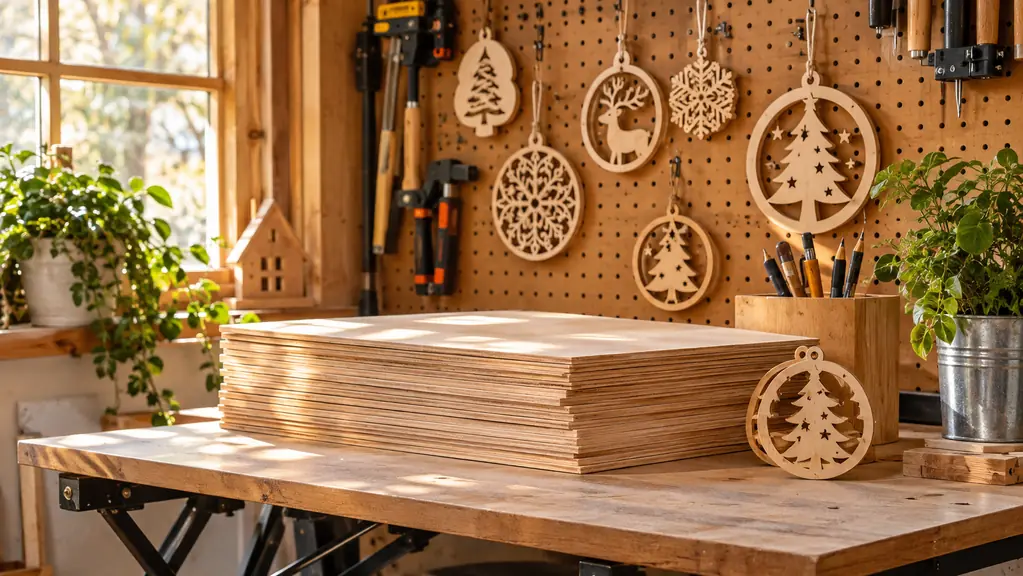
I have a confession that will not surprise anyone who has burned through a pack of plywood on a Tuesday night: most of my early ornaments looked like they had been cut by a beaver with a grudge. The wood warped, the edges charred, and the fine details simply vanished. Then I switched to basswood, and the same patterns that had given me fits started coming off the laser bed clean. This past season I cut most of my craft fair ornaments from the VKIZA 30 pack of basswood sheets, 12 by 12 inches and 1/8 inch thick, and I have a short list of reasons I keep ordering it. I have burned plenty of scrap plywood learning what works, and I would rather save you the wasted weekend.
None of this is a sales pitch. I am a retired school librarian with a converted garage and one laser, and I would rather you learn from my mistakes than make them yourself. So here are ten plain reasons basswood, and this particular pack of it, keeps earning a spot on my work table. Every reason below comes from actual evenings in the garage, not from a spec sheet.
The basswood sheets I keep coming back to
Thirty 12 by 12 sheets of 1/8 inch basswood, flat, smooth, and ready for the laser. If you make ornaments at home, this is a safe pack to start with.
Amazon Check Today's Price on Amazon →It cuts clean at the power settings you already use
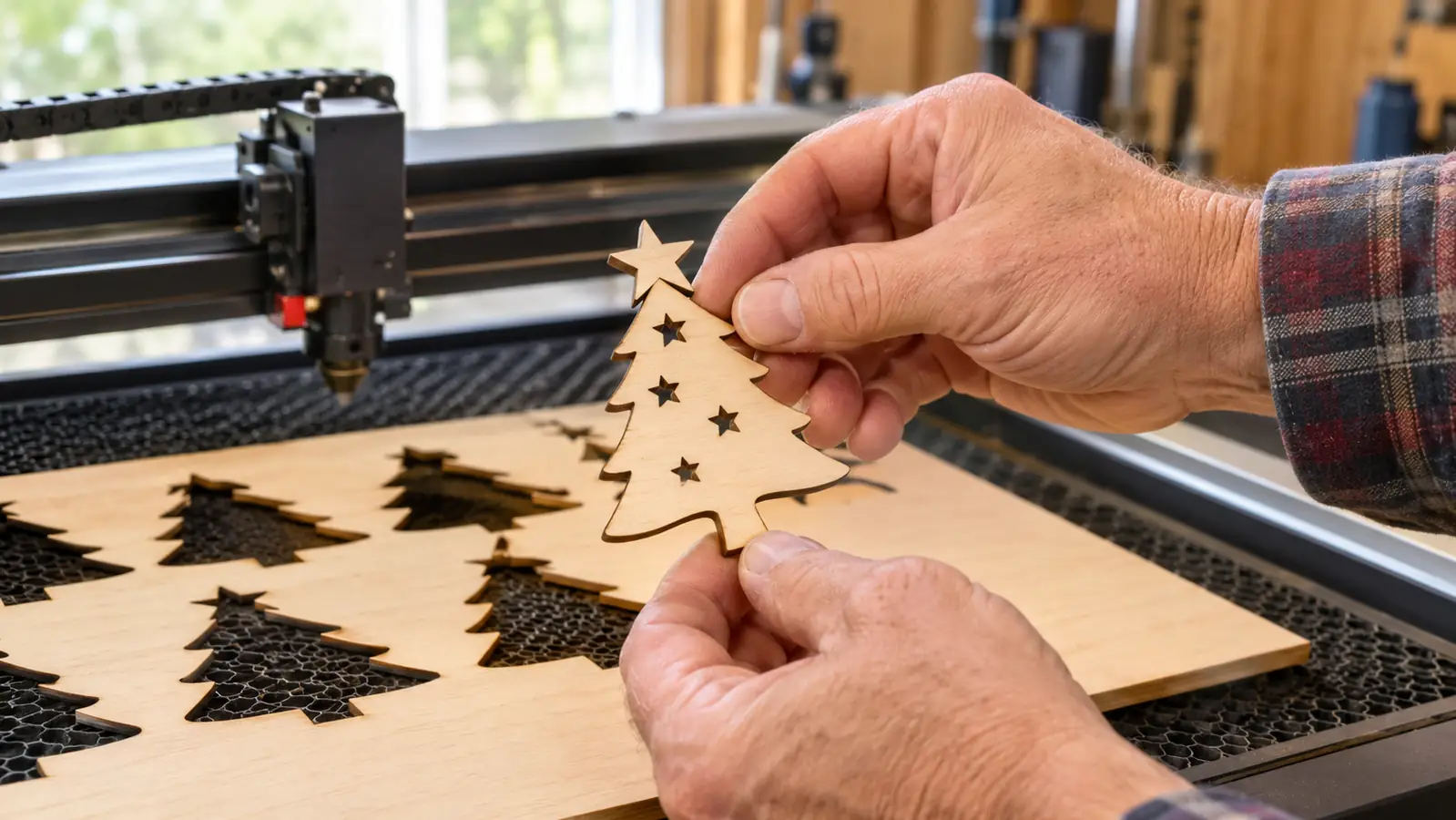
Basswood is soft enough that my hobby laser does not need to be pushed to its limits to get through a 1/8 inch sheet. That matters more than it sounds. When you cut at lower power, the edges stay cleaner and the fine details, the little stars and snowflakes and lettering, survive the trip. The VKIZA sheets have strong machinability, which is the plain way of saying the laser does its job and you do yours. I keep my settings modest and let the material do the work.
The 1/8 inch thickness is the sweet spot for ornaments
At 0.13 inches thick, these sheets are sturdy enough to hold a shape with delicate cutouts, but thin enough that the laser cuts them quickly. Thicker stock means longer cuts and more char. Thinner stock means ornaments that flex and break. This pack splits the difference, and for ornaments that need to survive a box and a mailing envelope, that is the right place to be. I have cut both thicker and thinner stock, and this is the one I reach for. For my money, the middle ground is where ornaments live.
The flat, smooth surface saves you a pile of sanding
Nothing eats an evening like sanding fuzz off every ornament you cut. The VKIZA sheets come flat and smooth, so the laser starts with a clean surface and the finished pieces need only a light touch before paint or sealer. For someone who makes fifty ornaments for two craft fairs a year, that is a real pile of saved hours. Sanding is the part of this hobby I like least, so I will take any head start I can get. A smooth start makes a smooth finish, and that is what these sheets give you.
The clear texture shows through on light finishes
Some of my favorite ornaments are the ones I leave mostly bare, with just a coat of sealer. Basswood has a clear, even texture that looks good without stain. The grain is not busy, so engraved details stay readable. If you like the natural wood look, this is a forgiving wood to let speak for itself. A busy grain can fight an engraved line; this wood stays out of the way.
Thirty sheets per pack means you can afford to experiment
The pack comes with 30 sheets, each 12 by 12 inches. That is enough to cut a full set of ornaments, ruin a few while you fiddle with settings, and still have stock left for the patterns you want to try next. When you are learning a new material, the cost of a mistake is measured in sheets, not in a trip to the store. Mistakes are part of learning any material, and this pack gives you room to make them. Room to experiment is the difference between a hobby and a chore.
The 12 by 12 size fits most hobby laser beds
A 12 inch square sheet fits my machine without trimming, and I can lay out several ornaments on one sheet and cut them in a single run. That layout freedom is worth a lot when you are trying to fill a craft fair table. No wrestling with odd sizes, no wasted edges. Most of my patterns are designed to fit the sheet with only a little scrap left over. I would rather use that time cutting than trimming sheets down to size.
The unfinished wood takes paint, stain, and sealer well
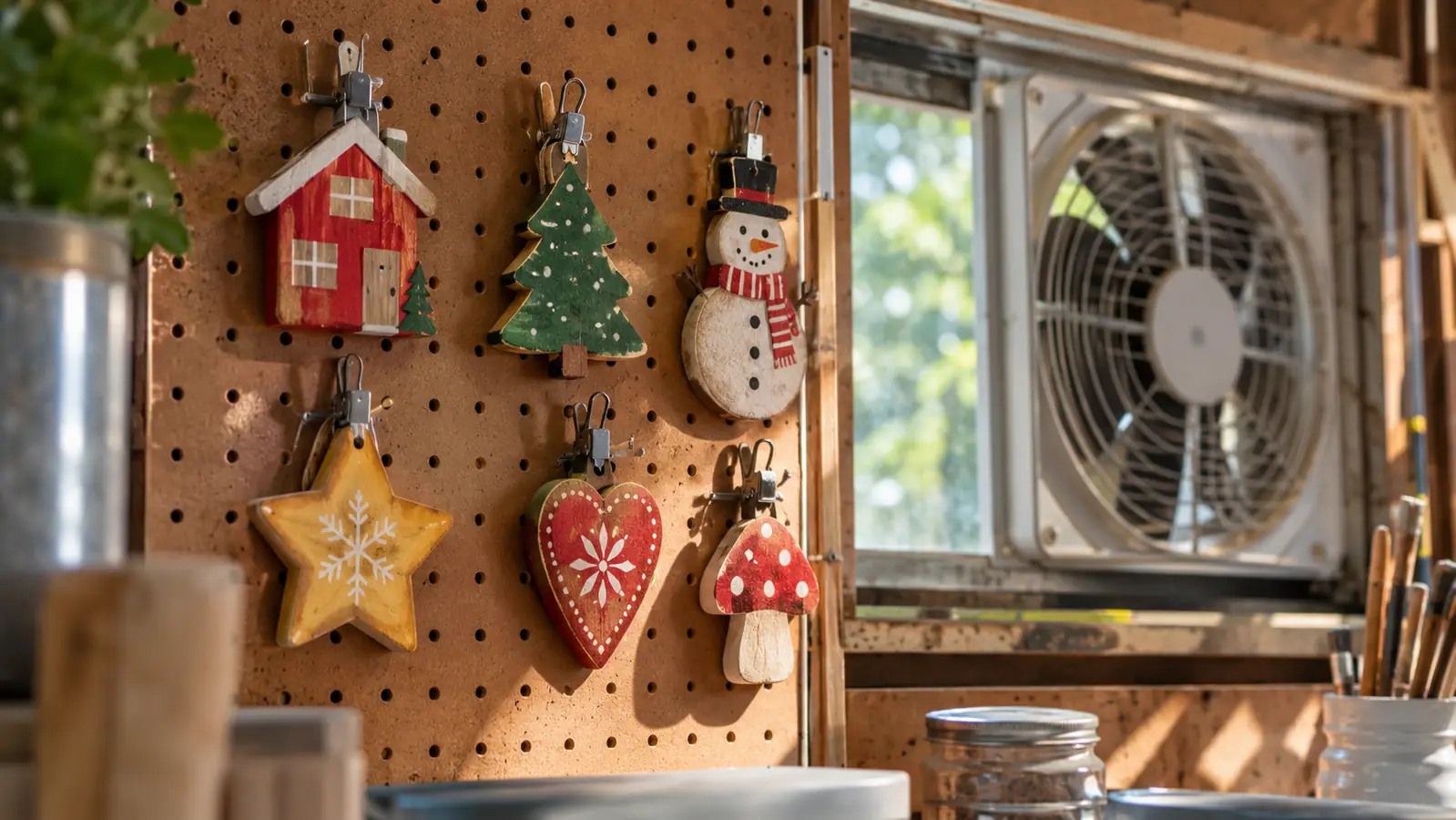
Because the sheets are unfinished, you decide what goes on top. I paint a lot of my ornaments, and I have stained others, and both behave on basswood. The surface is smooth enough that paint does not pool in the grain, and the wood does not fight back. If you finish your pieces the way I do, this is the easy part of the job. I have never had a sheet fight me at the finishing stage.
It stays rigid and stable while the laser works
Thin wood has a habit of curling or shifting when the laser heats it, which ruins alignment and makes a mess of fine cuts. These sheets hold their shape through a cut. The listing says it plainly: durability, rigidity, and stability. In practice that means your second ornament matches your first, and your tenth matches your ninth. Nobody wants to discover a warp halfway through a run of twenty. That consistency is what makes a table full of ornaments look intentional instead of hopeful.
It is an environmentally friendly material, a quiet win
The sheets are made from basswood and engineered wood, and the listing describes them as 100 percent environmentally friendly. I am not here to lecture anyone, but when I give ornaments to family or sell them at the church fair, I like that the material is a straightforward natural product. It is one less thing to feel fussy about. It is a small thing, but small things add up over a season of making. I will take a material I feel good about, all else being equal.
It makes gifts people actually keep
The real test of an ornament is whether it goes back in the box in January or stays out all year. The delicate details, the clean edges, the smooth surface, they all add up to a piece that looks like you knew what you were doing. I have given away more of these than I have sold, and the ones people mention months later are the basswood ones. That is the whole point of making things by hand.
What I'd Skip
Basswood is not the answer for every job. If you are cutting big signs or thick panels, you want something heavier, and if you are engraving dark, high-contrast pieces, a wood with more color variation will give you a different look. I also would not buy basswood if you want a wood that takes a heavy stain and goes dark; it is a light, even wood, and it wants to stay that way. For ornaments, though, it is hard to beat. If you mostly cut thick charcuterie boards or big wall signs, you will want a heavier wood, and that is not a knock on this one.
Thirty sheets, twelve inches square, one eighth inch thick, and the tenth ornament matched the first.
If you make ornaments, this pack is a safe place to start
The VKIZA 30 pack gives you flat, smooth basswood sheets in the size that fits most hobby machines. Check today's price on Amazon and see if it earns a spot on your work table.
Amazon Check Today's Price on Amazon →