
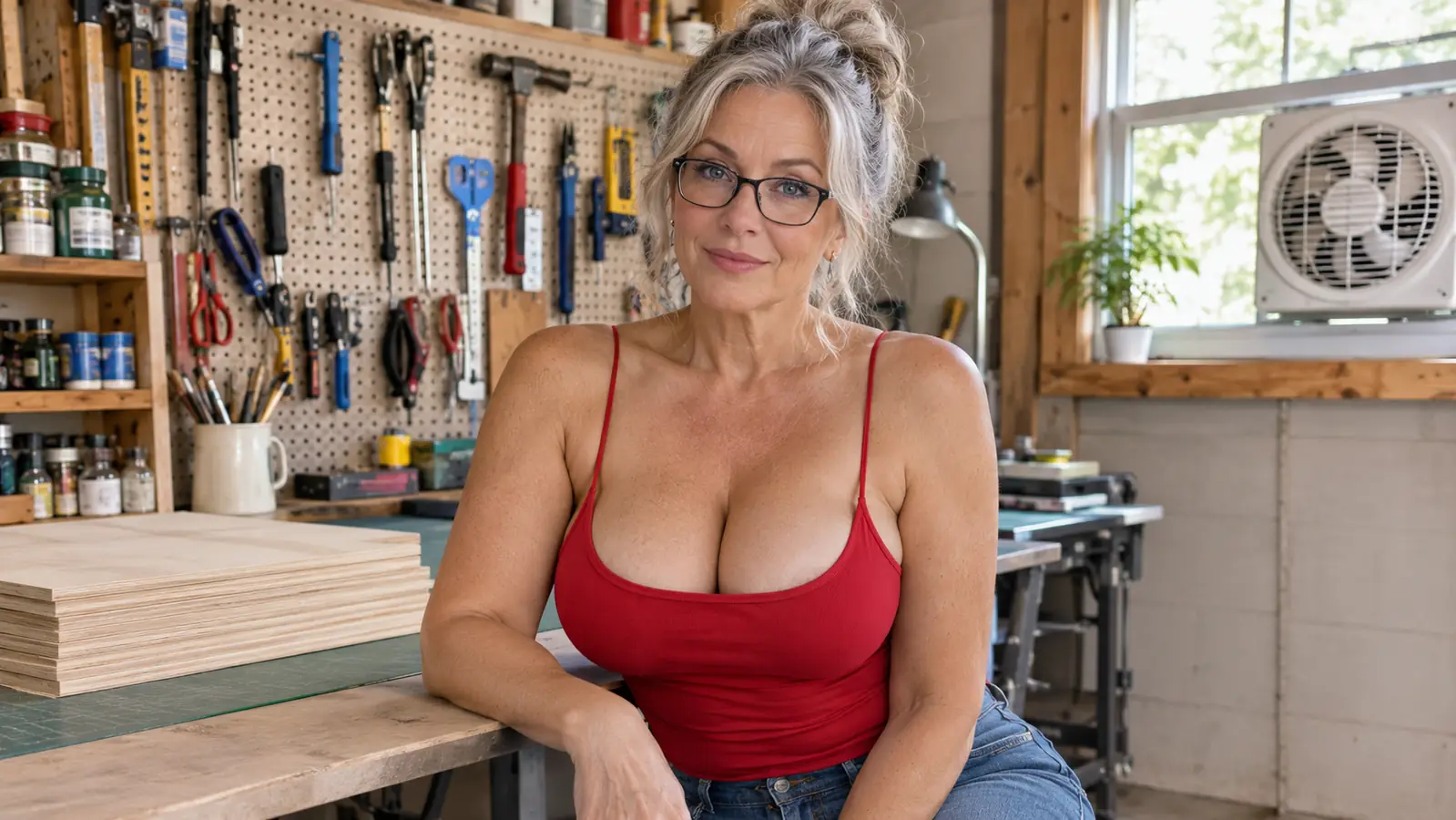
I ordered a 30-pack of VKIZA basswood sheets back in March, mostly because I was tired of guessing which thin wood would cut clean on the first pass. Six months later, that same pack has become the sheet I reach for when I want a project to just work. This is the long, plain account of how it actually held up.
A quick note on how I work: I cut and engrave in a converted one-car garage, mostly ornaments, small signs, and wreath pieces for two church craft fairs a year. Nothing fancy, but I have burned through enough scrap plywood to know the difference between a sheet that fights you and a sheet that behaves.
The Quick Verdict
Flat, smooth, and forgiving on the laser: the VKIZA basswood sheets are the most dependable thin wood I have used in six years of cutting ornaments.
Amazon Check Today's Price →The basswood sheets I keep reordering
If you are tired of warped sheets and charred edges, this is the 30-pack I have been cutting on for six months. Check today's price on Amazon.
Amazon Check Today's Price on Amazon →How I've Used It
The pack is 30 sheets, each 12 by 12 inches and 1/8 inch thick. I keep a stack on the folding work table next to the pegboard wall, and I have used them for three kinds of projects: engraved ornaments, small cut-out signs, and painted wreath toppers.
The first thing I noticed was how flat the sheets stayed. I left a few on the table near the window vent fan for two weeks, and they did not cup or twist the way some thin plywood does. That matters more than it sounds, because a warped sheet means a ruined cut and a wasted afternoon.
I also used a few sheets for hand-scroll work, not just the laser. The surface is smooth enough that I could draw directly on it with a pencil, and the edges took paint without soaking it up unevenly. For a sheet that costs what this one does, that kind of versatility is the reason I keep coming back.
Most of the pack went to ornaments for the spring fair in May. I cut a batch of forty small shapes over two evenings, engraved names and dates on the front, and painted the back with a coat of sealer before adding color. The sheets took every step without complaint. The few that did not make it were ones I rushed through the engraving, not ones that warped or split.
The wreath toppers were the real test. I cut twelve round bases, each with a thin outer ring and a cut-out center design, and any weakness in the wood shows up right away on a piece that thin. All twelve came off the laser clean, and after painting they are still hanging on wreaths I sold at the fall fair.
I kept a simple log on a sticky note stuck to the pegboard, mostly so I would remember which settings worked. The note has fourteen projects on it now, from a batch of snowflake ornaments to the letters for a neighbor's address sign. Every project on that list used the same sheet size and the same machine settings, and only two entries have a note about a problem. For a material I cannot always predict, that is a record I trust.
The Surface and the Cut
The listing says the sheets have clear texture, a flat and smooth surface, and good durability, rigidity, and stability. I have no argument with any of that. The surface is the first thing you notice when you pull a sheet out of the pack: it is clean, even, and ready to work.
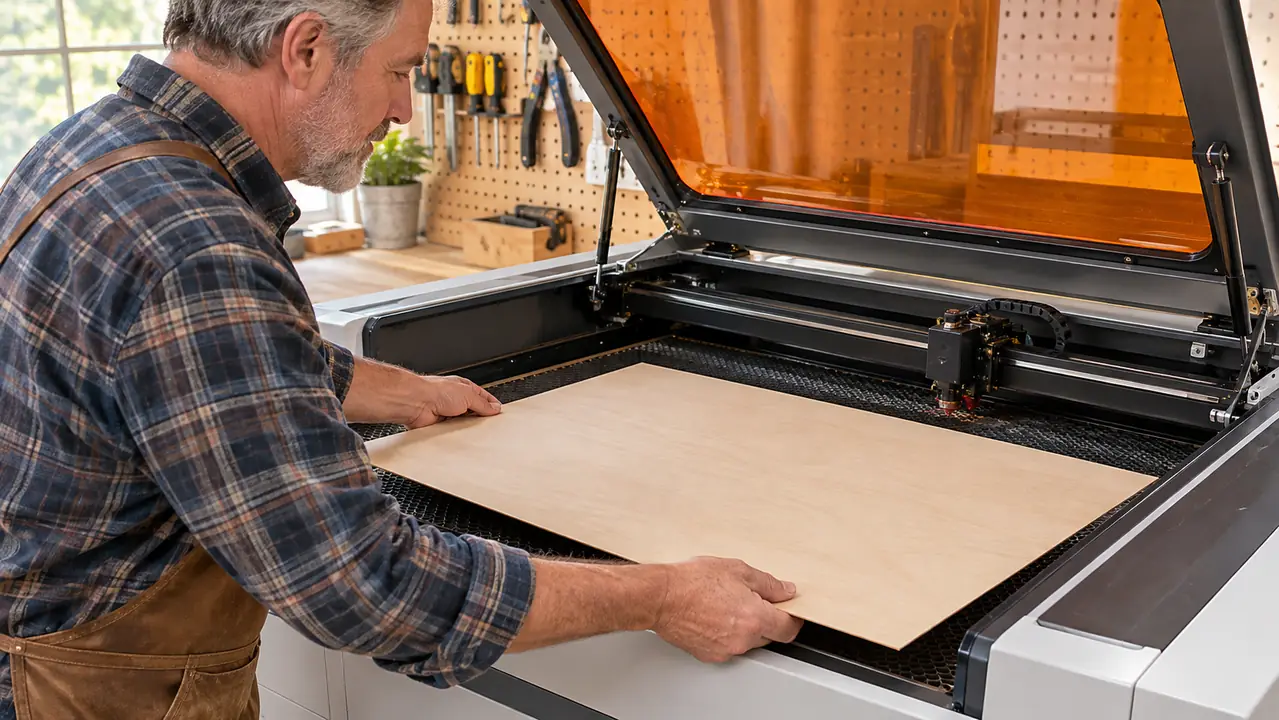
On the laser, the cuts came out clean with very little charring on the back side. I run a fairly modest setup in the garage, and I did not have to slow my normal speed or drop my power to get good results. That is the highest compliment I can give a sheet of wood.
The edges after cutting were straight and needed almost no sanding. When I made a batch of small signs for the fall fair, I cut twelve of them in one afternoon and only had to touch up two edges with fine paper. I have had packs where every single piece needed work.
I tested the engraving early on with a small sample piece before committing a whole sheet. I ran a row of fine text at my usual speed and the lines came out dark and even, with no fuzzy edges where the grain opened up. On cheaper plywood I have seen the same text come out patchy, with some letters thin and others blown out. That first test told me I could trust the sheet, and I have not changed my settings since.
The back side stayed clean too. On a lot of thin wood the laser leaves a brown scorch on the underside even when the top looks fine, and you end up sanding every piece or hiding the back. With these sheets, the back came out nearly as clean as the front. For ornaments that get painted on both sides, that saves a real chunk of time.
I should mention the smell and the dust, because those are the things you notice in a small garage workshop. The sheets cut with a clean, light wood smell, not the acrid burn I get from some plywood, and the dust from sanding is fine but not sticky. The window vent fan handles it without a problem, and I do not feel like I am breathing glue fumes. That is a real consideration when you spend a whole afternoon cutting.
I ran one more test that I would recommend to anyone: cut the same design on three different sheets from the same pack and compare them. I did that with a small star ornament, and the three pieces came out so close that I could not tell which sheet was which after painting. That kind of consistency is rare in thin wood, and it is the reason I stopped shopping around.
How It Holds Up Over Months of Use
Here is where the long-term part comes in. I have had this pack since March, and I am down to my last few sheets. The ones I stored flat stayed flat. The ones I painted held their paint without bleeding, and the ones I engraved took a crisp, dark line even on the second pass.
I also left one sheet out in the garage through a humid Tennessee summer, leaning against the wall next to the workbench. It developed a slight bow, which I consider fair for any unfinished wood in that kind of damp. The rest of the pack, stored flat, never gave me that problem.
The two pieces I threw away tell the story better than the thirty that worked. One was a sheet I left leaning against the wall in late July, and by August it had bowed enough that the laser would not hold focus across the full 12 inches. The other was a piece I cut too fast on a hot afternoon; the edge charred and the design lifted. Neither was the wood's fault, and both were lessons about how I store and run the machine, not about the material.
The paint test was the one I did not expect to pass. I painted three ornaments in April, sealed them, and left them on a shelf in the garage all summer. When I picked them up in September, the color had not bled into the grain and the edges had not darkened where the paint pooled. On some woods I have painted, the finish looks different two months later. These still look like the day I finished them.
The last few sheets in the pack have been sitting under a piece of plywood on the work table since the fall fair, and I pulled one out last week for a test cut. It behaved exactly like the first sheet from March: same smooth surface, same clean edge, same flat lie on the laser bed. Consistency across a whole pack is what separates a wood I trust from a wood I gamble on.
I cut twelve small signs in one afternoon and only had to touch up two edges. I have had packs where every single piece needed work.
The durability claim in the listing is not just marketing. These sheets have taken engraving, cutting, painting, and the occasional drop on a concrete floor, and I have only thrown away two pieces out of the whole 30-pack. Both of those were my fault, not the wood's.
What It's Good For, and What It Isn't
The VKIZA basswood sheets are at their best for delicate, detailed work: ornaments, small signs, wreath pieces, and models. The listing mentions making gifts for friends and family, and I have made exactly that: little engraved ornaments for my daughter Josie in Asheville and a stack of painted pieces for the church fair.
What it is not for is heavy structural work. At 1/8 inch thick, these are meant for crafts and light decor, not for building anything that needs to bear weight. I would not use them for a shelf or a box bottom that has to hold much. For that, you want a thicker plywood.
I also found that the sheets take paint beautifully on the smooth face, but the cut edges will drink up a little more. A single coat of sealer before painting solves that, and it is a small step that saves a lot of frustration later.
My one attempt at a small model house showed what the wood can do at the delicate end. The walls were cut from a single sheet, and the window openings were thin enough that a less stable wood would have snapped at the corners. Every piece came out intact, and I gave the house to a neighbor for her grandchild. That is the kind of project where a consistent 1/8 inch sheet earns its keep.
I should also say what I mean by light decor. I have used these for a small wall sign that hangs on two nails, and for wreath letters that sit against a foam base. Both have held up fine through a season of being moved and stored. I would not hang anything heavier than that on them, and I would not trust them outdoors in the weather. They are indoor craft wood, and they are honest about it.
Alternatives I Considered
Before I settled on VKIZA, I tried a few other basswood and birch packs. Some were cheaper per sheet but arrived warped or with rough surfaces that needed sanding before I could even draw on them. Others were thicker than the listing claimed, which threw off my laser settings.
I have also used Baltic birch for larger pieces, and it has its place. But for small, detailed ornament work at 1/8 inch, the smooth, flat surface of these basswood sheets has been more reliable for me. The machinability the listing promises is real: it cuts, engraves, and sands like a wood that wants to cooperate.
The pack I tried before this one is the reason I order VKIZA now. It was a basswood bundle from a different seller, and four of the twelve sheets arrived with a visible bow. I flattened two under a stack of books for a week, and they came back only partway. Every sheet also had a rough patch that showed up as a lighter streak in the engraving. I finished the pack out of stubbornness, but I did not enjoy a single project in it.
The thickness issue matters more than people expect. I bought a birch pack once where the sheets measured closer to 5/32 than 1/8, and my first cut went straight through my settings and left a charred edge on every piece. With the VKIZA sheets, the 1/8 inch measurement has been consistent sheet to sheet, which means I can set the machine once and trust it for the whole pack.
What I Liked
- Flat, smooth surface that takes pencil, paint, and engraving evenly
- Cuts clean on the laser with very little charring
- Stays flat in storage over months of use
- Good value as a 30-pack for small projects
- Strong machinability for detailed ornament work
Where It Falls Short
- At 1/8 inch, not for heavy or structural work
- Cut edges absorb paint and benefit from a sealer
- Unfinished wood can bow if left in damp conditions
- No variety pack: all 30 sheets are the same size
Who This Is For
This is for the home crafter who makes laser-cut or scroll-cut ornaments, small signs, and decor pieces and wants a sheet that behaves the same way every time. If you have ever opened a pack of thin wood and found half of it warped or rough, you know exactly why a consistent sheet is worth paying for.
It is also for the person who does not want to think about their material. I want to think about the design, not about whether the wood will cup or char. With the VKIZA basswood sheets, I get to do that.
It is also for the scroll saw crowd, not just the laser crowd. I have a neighbor who cuts by hand, and I gave him three sheets from the pack to try. He came back a week later asking where I got them, because the smooth surface let his patterns tape down flat and the edges did not splinter on the finer cuts. That is the same thing I get on the laser side, and it is good to know the wood is not picky about which machine cuts it.
Who Should Skip It
Skip this if you need thicker wood for structural projects, or if you want a variety of sizes in one pack. Every sheet in this 30-pack is 12 by 12 inches and 1/8 inch thick, so if you need smaller pieces or a heavier board, you will want a different product.
Also skip it if you are not prepared to store the sheets flat. Unfinished wood will bow in humidity, and that is true of any basswood, not just this one. A flat stack in a dry room will last you a long time, and that is how I have kept mine.
I would also tell a beginner to start with a smaller pack if they are not sure they will stick with the hobby. Thirty sheets is a lot of wood if you discover after three projects that laser cutting is not for you. The sheets themselves are fine, but a 30-pack is a commitment, and there is no point buying a year of material for a hobby you are still testing.
Six months in, this is the pack I would buy again
If you want a dependable 12x12x1/8 basswood sheet for ornaments, signs, and small decor, this is the one I keep reaching for. Check today's price on Amazon and see if it fits your workshop.
Amazon Check Today's Price on Amazon →